
For a Balanced Complexion
Understanding Uneven Skin Tone
Many people strive for a complexion that looks clear, smooth, and consistent in color. However, it is common to notice areas of skin that are lighter or darker than the surrounding areas. This condition is known as uneven skin tone, and it happens when the skin produces inconsistent amounts of melanin, the pigment responsible for its color. These patches can appear brown, tan, red, pink, or even gray, creating a mottled or blotchy appearance instead of a uniform one.
While uneven skin tone is a widespread concern, navigating the path to a more balanced complexion can feel complex. The causes are varied, and the appearance can differ greatly from person to person. Understanding why these changes occur is the first step toward managing them effectively. This is where professional guidance can make a significant difference. A licensed esthetician can serve as an educational resource, helping you understand your skin's unique needs and develop a supportive home care routine. They provide expert advice on skincare habits and ingredients that promote a healthier, more radiant appearance. If you are ready to learn more about achieving a balanced and vibrant complexion, we invite you to schedule a consultation today.

The Sources of Discoloration
Common Causes of Uneven Skin Tone
Uneven skin tone is rarely caused by a single factor. More often, it is the result of a combination of internal processes and external influences that disrupt the skin’s pigment production. Understanding these triggers is key to developing an effective skincare strategy.
- Sun Exposure and UV Damage: The sun is the most significant contributor to uneven skin tone. When skin is exposed to ultraviolet (UV) radiation, it defends itself by producing more melanin. This can lead to an overproduction of pigment in certain areas, resulting in dark spots, freckles, and a generally blotchy complexion. This cumulative damage builds over years, often becoming more noticeable with age.
- Post-Inflammatory Hyperpigmentation (PIH): Have you ever noticed a dark spot linger after a pimple has healed? This is PIH. It occurs when the skin experiences trauma or inflammation—from acne, a scratch, or a bug bite—triggering an overproduction of melanin as part of the healing process. This is particularly common in individuals with medium to darker skin tones.
- Hormonal Changes: Fluctuations in hormones can also lead to skin discoloration. Melasma is a common condition, often triggered by pregnancy, birth control pills, or hormone therapy, that causes brown or grayish-brown patches to appear on the face, typically on the cheeks, forehead, and upper lip.
- Lifestyle and Environmental Factors: Your daily habits and environment play a role. Air pollutants can create free radicals that cause oxidative stress, damaging skin cells and contributing to discoloration. Additionally, lifestyle choices like picking at blemishes can cause unnecessary skin trauma, leading to PIH. Genetics also determines your skin's natural predisposition to developing pigmentation.
How Tone Appears on Different Skin Types:
- Fair Skin (Types I-II): Discoloration often appears as reddish or light brown spots, freckles, and post-inflammatory erythema (persistent redness).
- Medium Skin (Types III-IV): This skin type is prone to medium-to-dark brown hyperpigmented areas, melasma, and may develop a dull or ashy tone.
- Darker Skin (Types V-VI): Hyperpigmentation can manifest as very dark brown or even blue-black areas.
An esthetician can help you identify the primary causes of your uneven skin tone and provide guidance on preventative measures, such as daily sun protection and a gentle skincare routine.
Related Services

Skincare Consultation

Salmon DNA
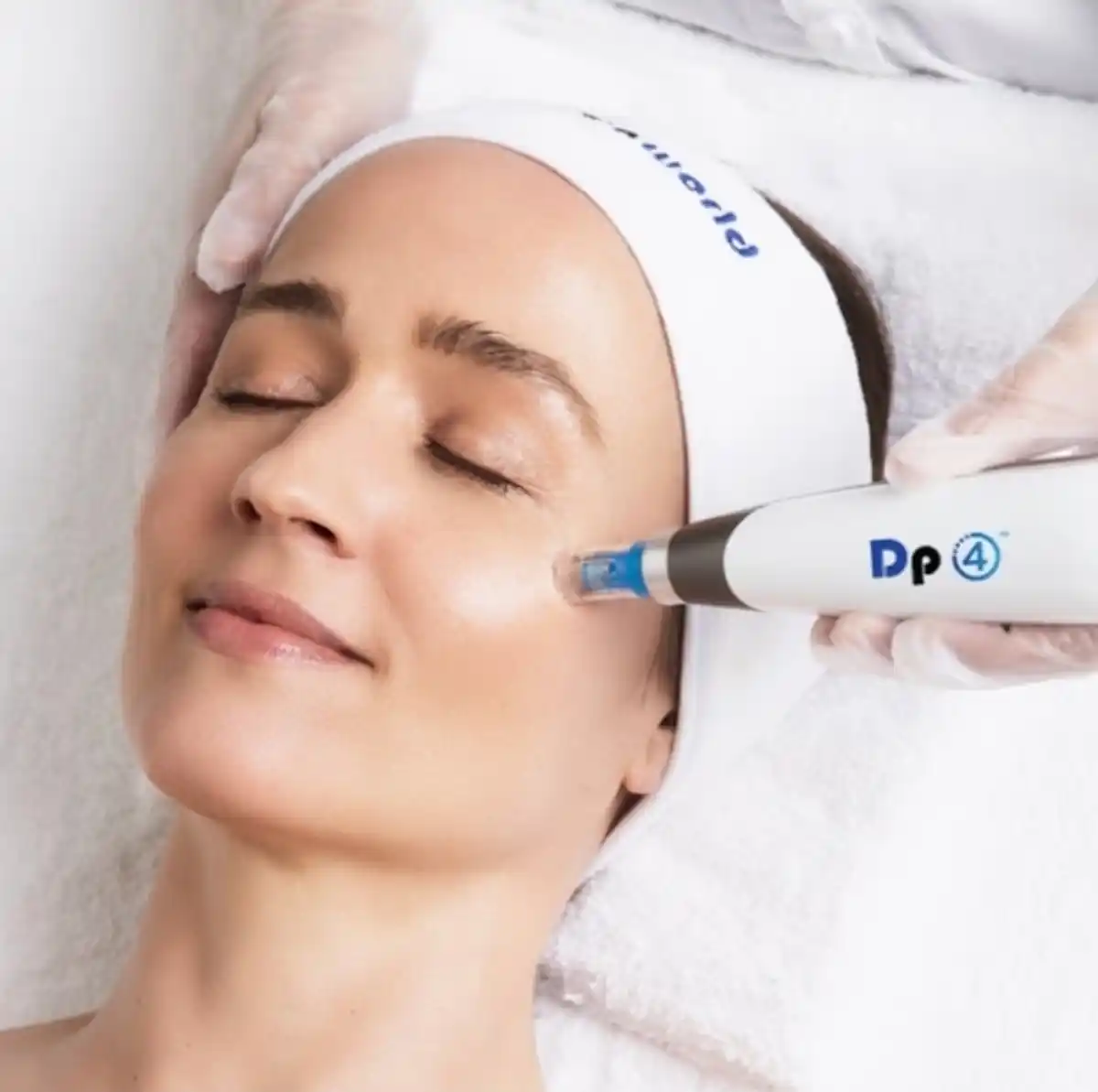
Microneedling
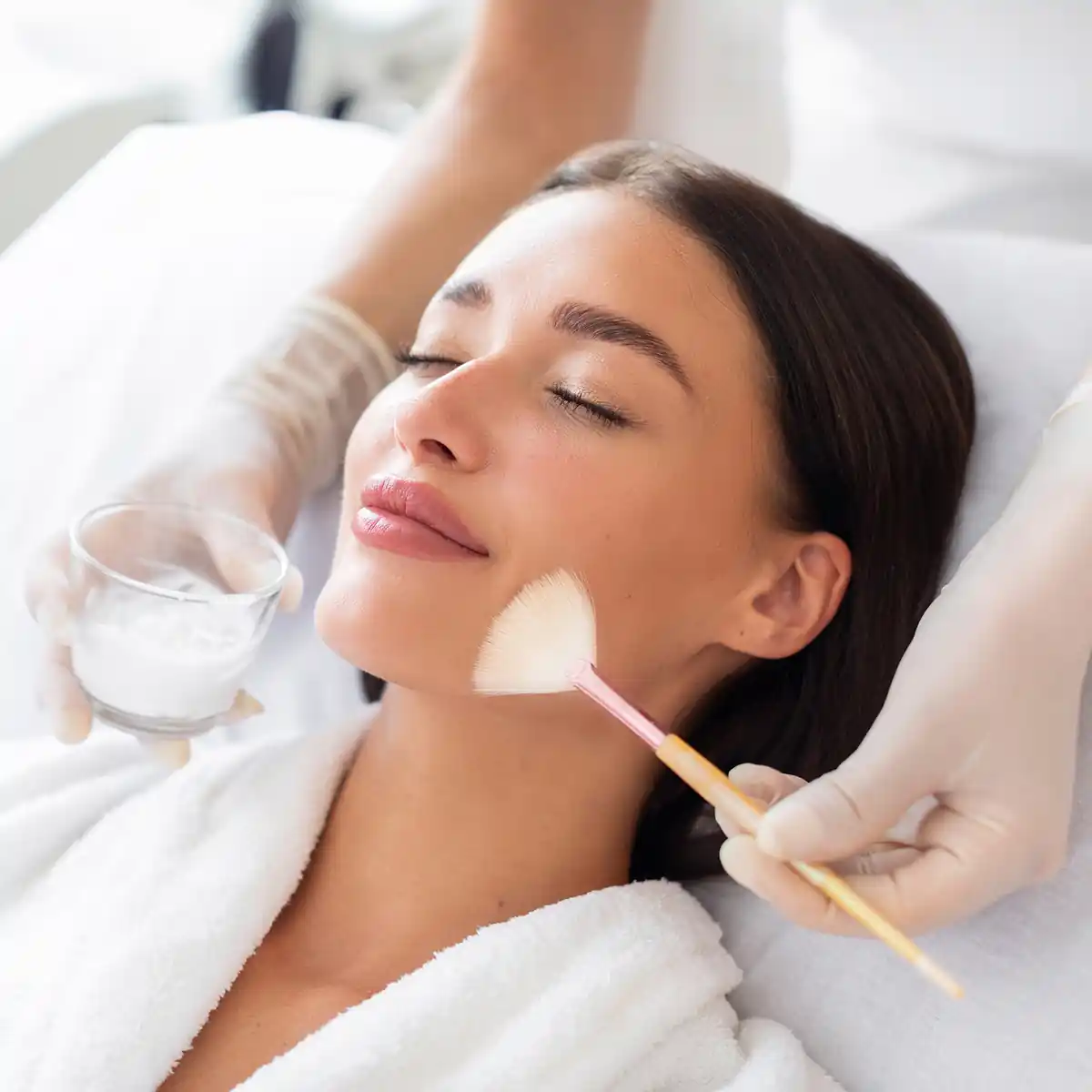
Chemical Peel
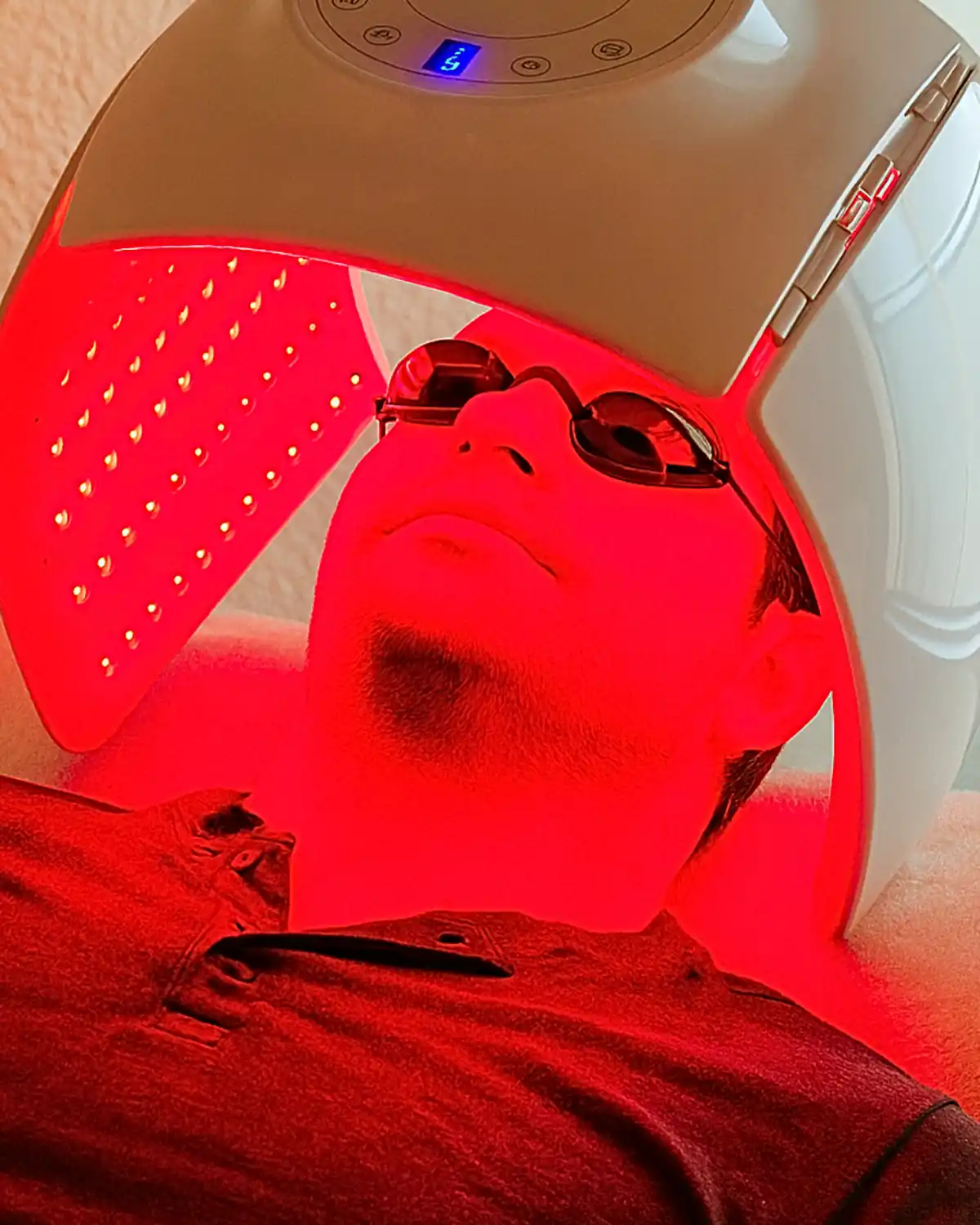
Nanofacial
Frequently Asked Questions
Is uneven skin tone always caused by sun damage?
While sun exposure is a primary cause of uneven skin tone, it is not the only one. Many other factors can contribute to changes in skin pigmentation. Discoloration can result from post-inflammatory hyperpigmentation after an acne breakout, hormonal shifts during pregnancy that cause melasma, or even genetic predispositions. An esthetician can help you explore the potential reasons behind your specific skin concerns and provide personalized advice for managing them effectively through a proper skincare routine and preventative habits.
Will uneven skin tone go away on its own?
Whether uneven skin tone fades on its own depends on its cause and depth. Some forms of mild discoloration, like the dark spots left after a pimple, may lighten over several months as skin cells turn over. However, deeper pigmentation caused by significant sun damage or hormonal changes like melasma is often more persistent and may not fade completely without a consistent and targeted skincare regimen. Patience and proactive care are essential for seeing improvement in your complexion over time.
If you have dark skin, do you still need to wear sunscreen?
Yes, absolutely. Sunscreen is essential for every skin tone, without exception. While darker skin has more melanin and therefore more natural protection from UV rays, it is not immune to sun damage. Sun exposure is a major trigger for hyperpigmentation in all skin types and can cause or worsen uneven tone. Daily use of a broad-spectrum sunscreen helps prevent UV radiation from stimulating excess pigment production, protecting your skin from dark spots and other forms of sun damage.