Facial Volume Loss: A Guide to Understanding Facial Aging
What Is Facial Volume Loss?
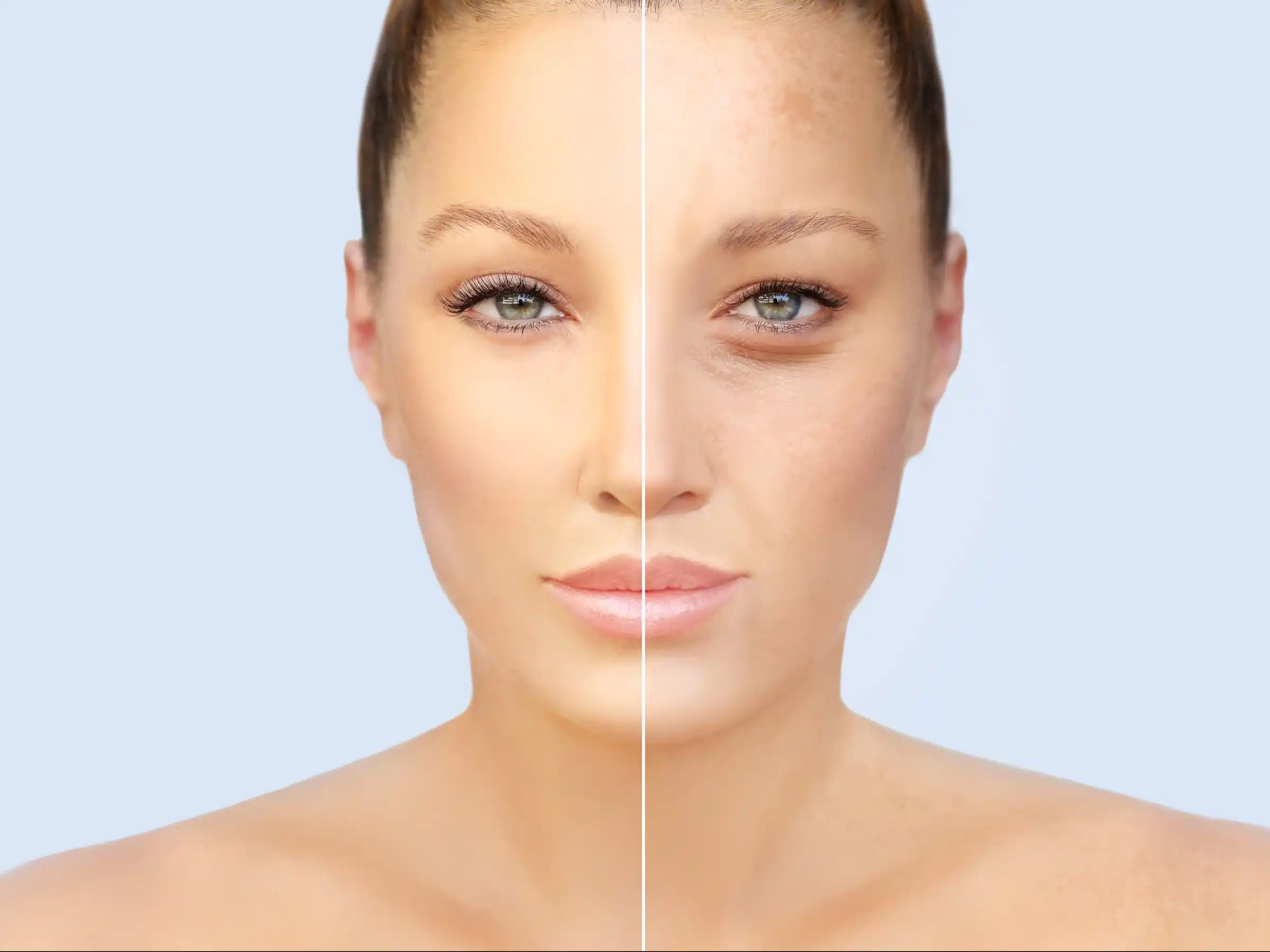
Facial volume loss is the gradual reduction of fullness in the face that occurs with aging. In our youth, our faces are typically characterized by smooth, round contours supported by ample fat, strong bones, and firm, elastic skin. Over time, these underlying structures change. Facial fat pads shrink and shift, facial bones lose density, and the skin produces less collagen and elastin. This process can be compared to a balloon slowly deflating. As the internal support diminishes, the face may develop a thinner, more sunken, or gaunt appearance. This change in facial contours is a natural part of the aging process and is distinct from weight loss. It can lead to a tired or aged look, even if you feel energetic and vibrant.
What Causes Facial Volume Loss?
Facial volume loss is a multi-layered process driven by a combination of intrinsic (natural aging) and extrinsic (lifestyle and environmental) factors.
- The Aging Process: This is the primary cause. As we age, our bodies naturally produce less of the key components that provide facial structure. Fat pads in the cheeks and temples shrink, facial bones recede, and the skin loses its supportive network of collagen and elastin.
- Genetics: Your inherited traits play a significant role in your facial structure and how it changes over time. Some people are genetically predisposed to maintain fuller cheeks longer, while others may notice hollowing or sagging earlier in life.
- Sun Exposure: UV radiation is a major contributor to premature aging. It damages the skin's collagen and elastin fibers, which are essential for firmness and elasticity. This damage accelerates the thinning and sagging of the skin, making volume loss more apparent.
- Lifestyle Factors: Habits like smoking can significantly speed up the aging process. The chemicals in smoke constrict blood vessels and break down collagen and elastin, leading to a loss of skin support. Additionally, a poor diet high in processed foods and sugar can contribute to skin aging, while chronic stress and lack of sleep can disrupt the body's natural repair processes.
What Are the Signs of Facial Volume Loss?
Volume loss manifests in several distinct ways, changing the overall shape and contour of the face. Common signs include:
- Flattened or Hollow Cheeks: The "apples" of the cheeks may appear less full or prominent, leading to a flatter mid-face profile.
- Sunken Temples: The areas on the sides of the forehead can develop a hollowed or concave look, making the brow bones appear more prominent.
- Under-Eye Hollows: Loss of fat beneath the eyes can create a sunken appearance or a distinct groove known as a "tear trough," often accompanied by dark circles.
- Deepening Folds and Lines: As cheek volume diminishes, the skin can sag, causing nasolabial folds (smile lines) and marionette lines (lines from the corners of the mouth downwards) to become more pronounced.
- Sagging Jawline and Jowls: A loss of structural support from bone and fat can cause the jawline to lose its sharp definition. Skin may droop along the jaw, creating jowls.
Beyond the physical signs, many people experience an emotional impact. Seeing a tired or older reflection that doesn't match how you feel inside can affect self-esteem and confidence.
When Should I See an Esthetician?
While facial volume loss is a natural process, discussing your concerns with a skincare professional can be very empowering. A licensed esthetician can provide education and support for aging gracefully. Consider making an appointment if:
- You are concerned about the visible signs of aging and want to understand them better.
- You want to learn about preventative skincare and lifestyle habits to support your skin's health.
- You are seeking guidance on building a routine that promotes skin firmness and a more radiant complexion.
- The changes in your appearance are affecting your self-confidence, and you would like to explore your options in a supportive environment.
An esthetician can assess your skin's condition, discuss your personal goals, and help you develop a proactive plan to care for your skin through every stage of life.
Related Services

Skincare Consultation

Salmon DNA
Signature Holistic Facial
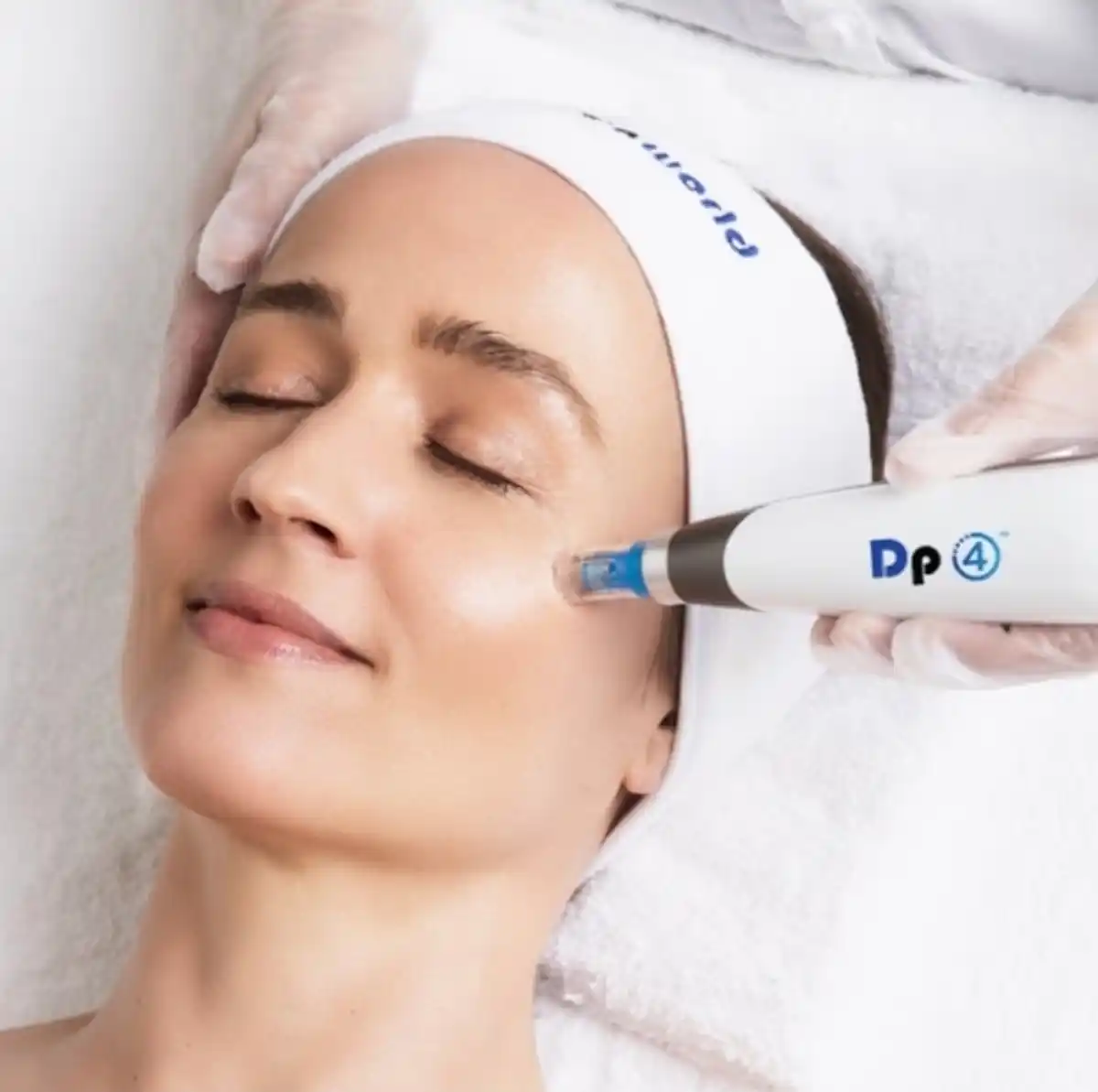
Microneedling
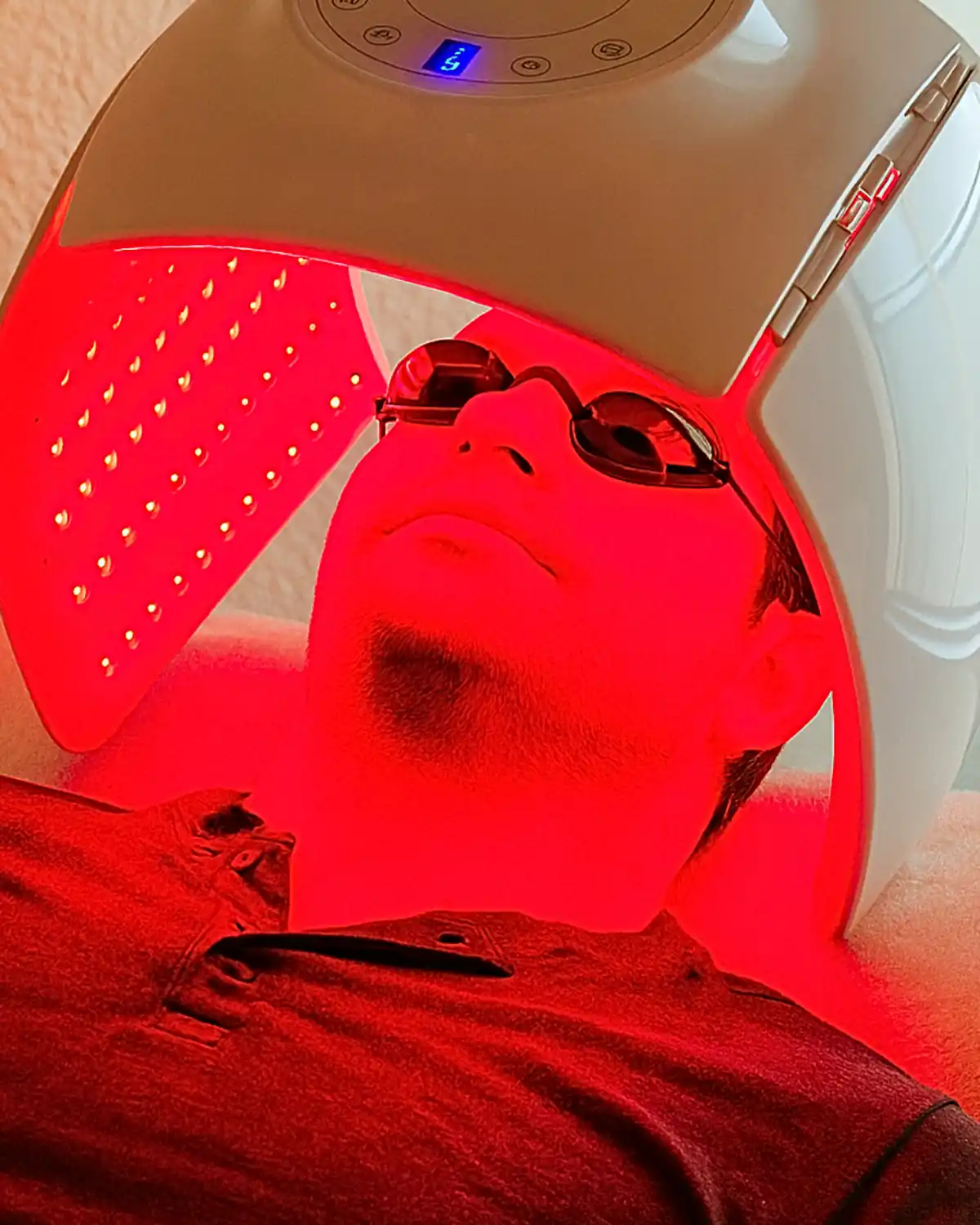
Nanofacial
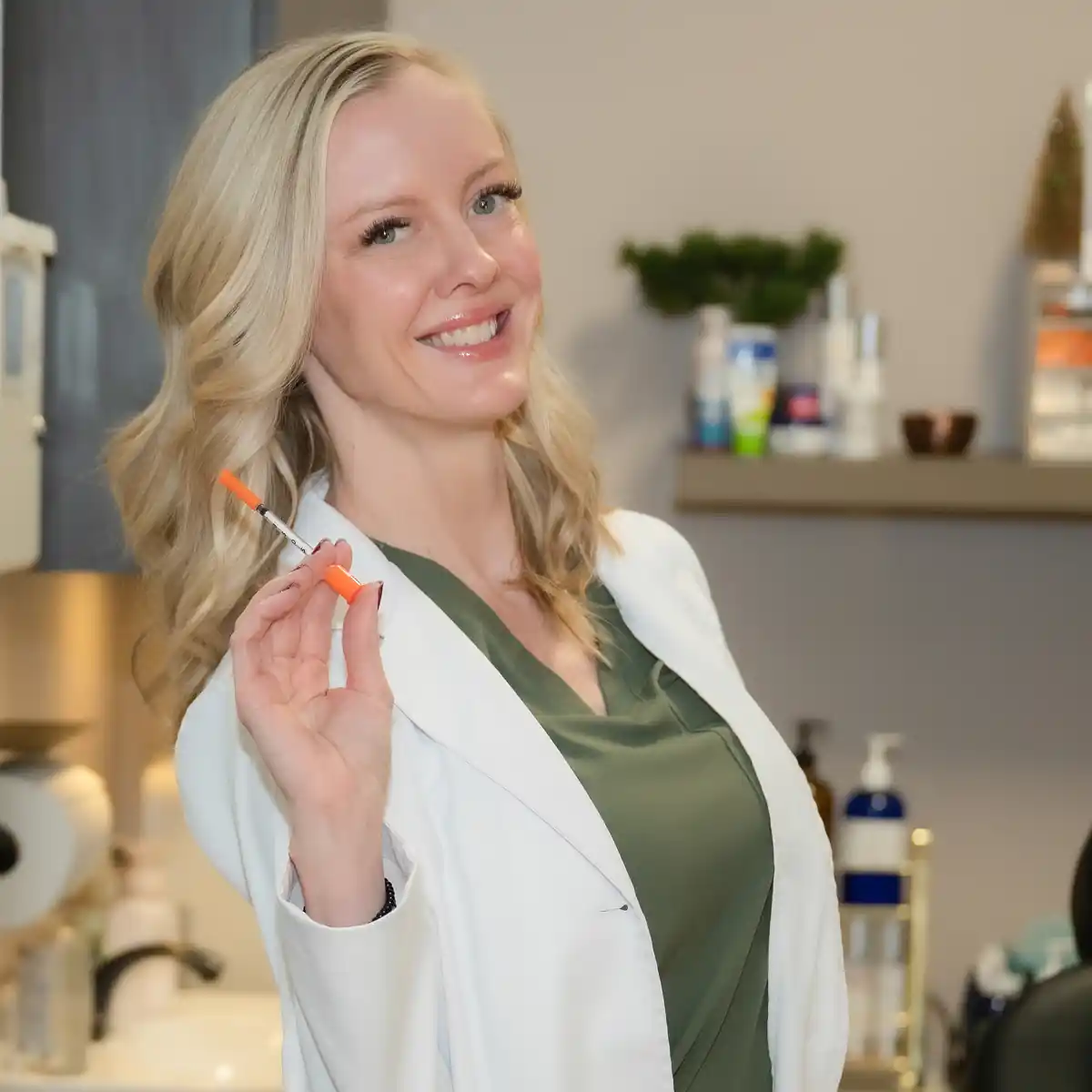
Injectables Consultation
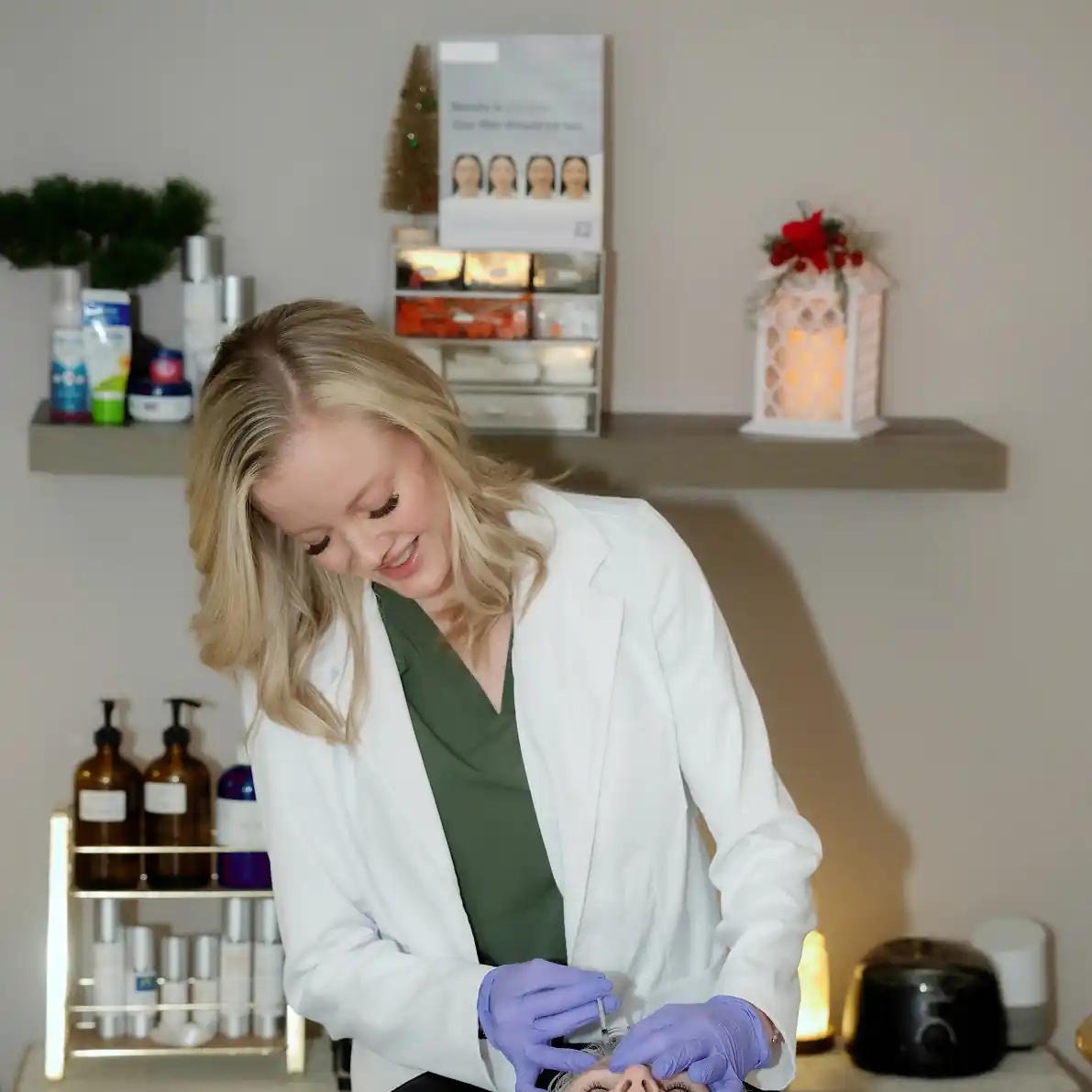
Botox