Dehydrated Skin: A Guide to Understanding Your Skin's Thirst
What Is Dehydrated Skin?
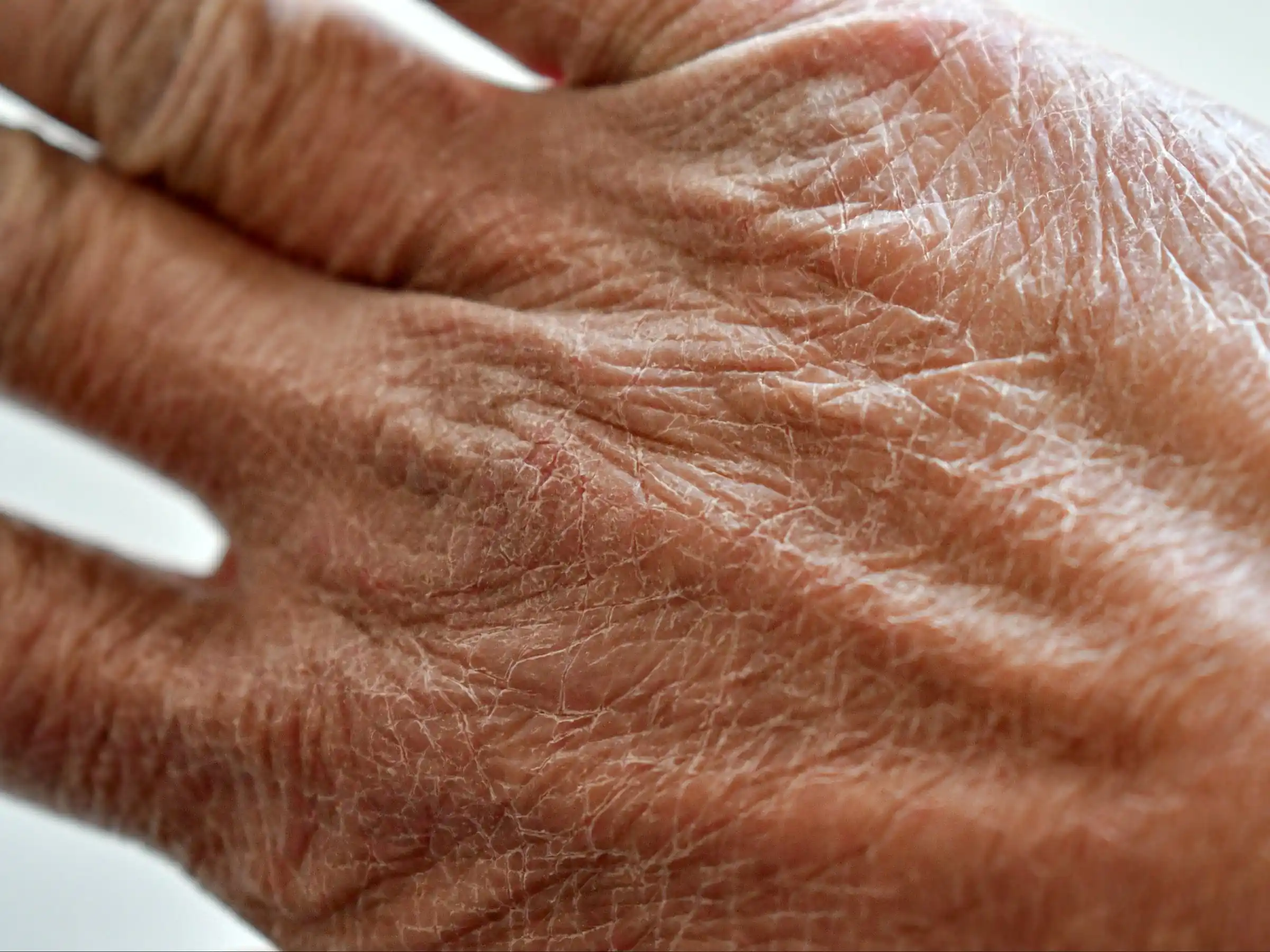
Dehydrated skin is a common condition that occurs when your skin is lacking water. Unlike dry skin, which is a skin type that lacks natural oils, dehydration is a temporary state that can affect anyone, regardless of their skin type—even those with oily or combination skin. Think of it as your skin being "thirsty." When skin is dehydrated, it can appear dull, feel tight, and may show fine lines more prominently because the skin cells are not as plump. It is often a result of external factors like weather or internal factors like not drinking enough fluids. Because it is a condition and not a skin type, it can typically be improved by addressing the root causes and restoring the skin's moisture balance.
What Causes Dehydrated Skin?
Dehydrated skin is caused by factors that lead to water loss from the skin's surface or a lack of sufficient water intake.
- Environmental Factors: Both hot, sunny weather and cold, windy conditions can pull moisture from the skin. Indoor environments are also a major factor; air conditioning and heating systems lower the humidity in the air, which in turn draws water from your skin.
- Lifestyle Habits: Not drinking enough fluids is a primary cause. Diets high in salt, caffeine, or alcohol can also contribute, as these act as diuretics and can deplete your body's water content. Smoking is another culprit, as it weakens the skin's protective barrier and robs it of moisture.
- Skincare Routine: Using harsh skincare products, over-cleansing, or taking long, hot showers can strip the skin's protective barrier. When this barrier is compromised, it can no longer effectively hold water in, leading to transepidermal water loss (water evaporating from the skin).
- Internal Factors: Illness, fever, or excessive sweating can lead to a rapid loss of fluids, causing the skin to become dehydrated. Chronic stress and lack of sleep can also interfere with your skin's ability to repair itself and maintain proper hydration.
- Underlying Conditions: Skin conditions that compromise the barrier, such as eczema or rosacea, can make the skin more prone to dehydration.
What Are the Symptoms of Dehydrated Skin?
Recognizing the signs of dehydrated skin is the first step toward addressing it. Common symptoms include:
- Dullness and a "Tired" Look: Hydrated skin has a natural radiance. When it lacks water, your complexion may look flat, lackluster, or shadowy.
- Tightness and Discomfort: The skin may feel uncomfortably tight, even if it appears oily on the surface. This tight sensation is often most noticeable after cleansing.
- Visible Fine Lines: Dehydration can cause temporary, fine "dehydration lines" to appear, especially on the forehead or cheeks. These shallow lines are due to a lack of plumpness in the skin cells.
- Increased Sensitivity or Itchiness: A compromised moisture barrier can make the skin more reactive to products and environmental factors, leading to itching or a prickly sensation.
- Darker Under-Eye Circles: The skin under the eyes can appear more sunken or shadowy when the body is dehydrated.
- Oily but Dry Feeling: One of the most confusing signs is having skin that feels oily and tight at the same time. The skin may overproduce oil to compensate for its lack of water, leading to shine or even breakouts alongside a feeling of dryness.
A simple "pinch test" can also offer a clue. If you lightly pinch the skin on your cheek and it doesn't snap back quickly, it may be a sign of dehydration.
When Should I See an Esthetician?
While many cases of dehydrated skin can be managed at home by adjusting your lifestyle and skincare routine, a licensed esthetician can offer valuable professional guidance. Consider making an appointment if:
- Your skin doesn't improve after several weeks of consistent at-home care.
- You are unsure what products or ingredients are right for your skin's condition.
- You are dealing with persistent dullness, tightness, or sensitivity and want a professional assessment.
- You want to learn the best practices for building a skincare routine that supports a healthy, hydrated skin barrier.
An esthetician can analyze your skin, help identify contributing factors, and provide personalized recommendations to help you restore your skin's moisture balance and achieve a healthier, more radiant complexion.
Related Services

Skincare Consultation

Salmon DNA
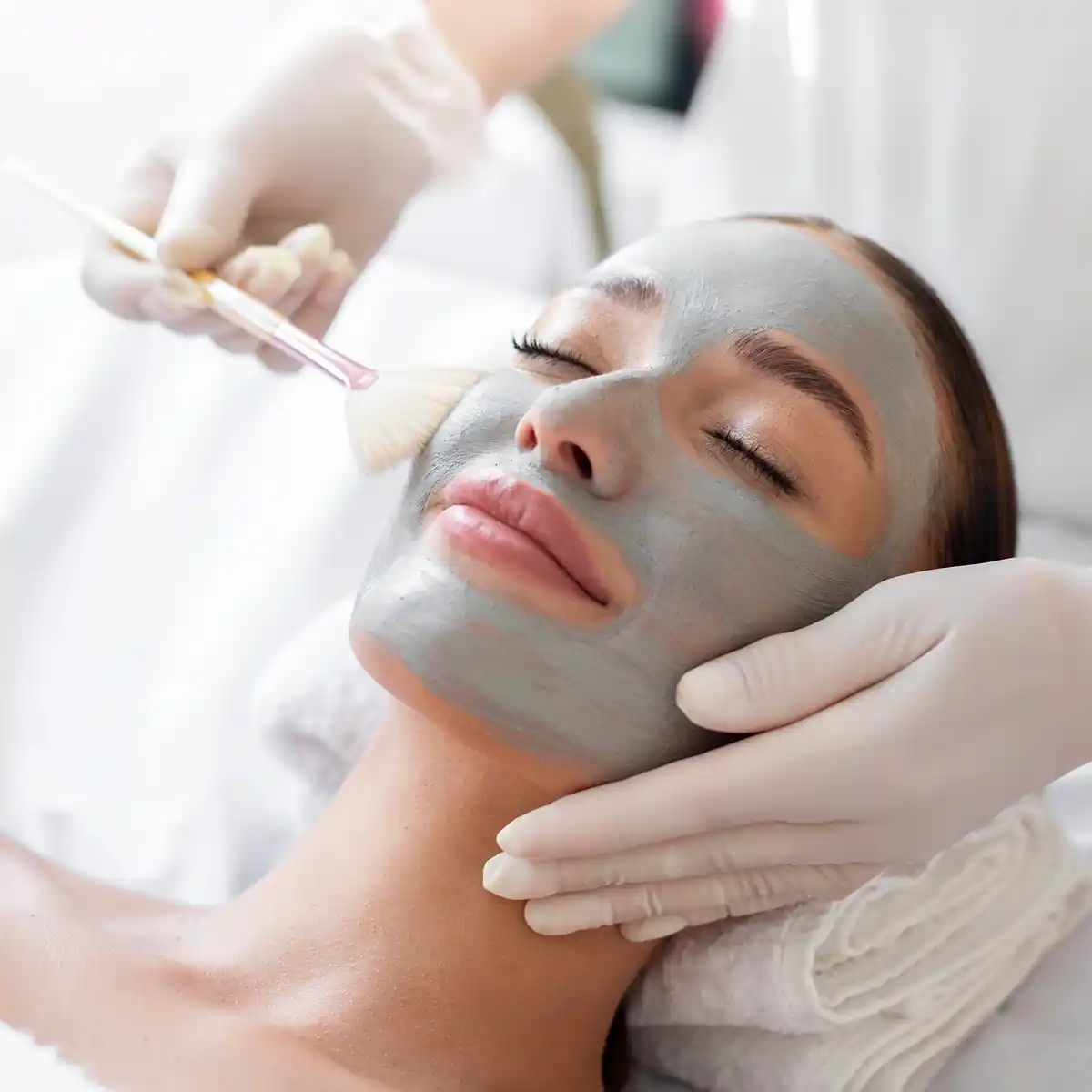
Signature Holistic Facial
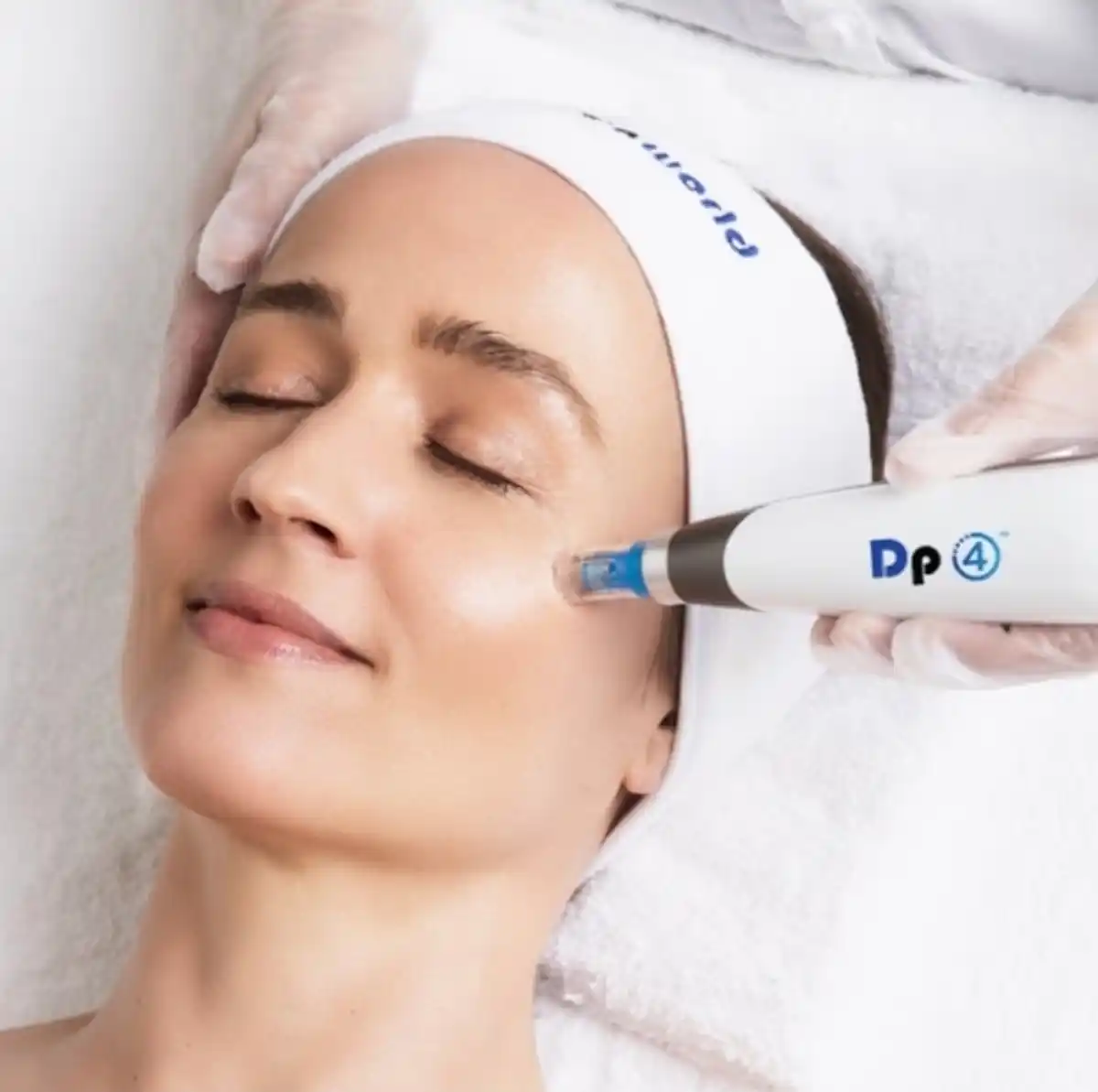
Microneedling
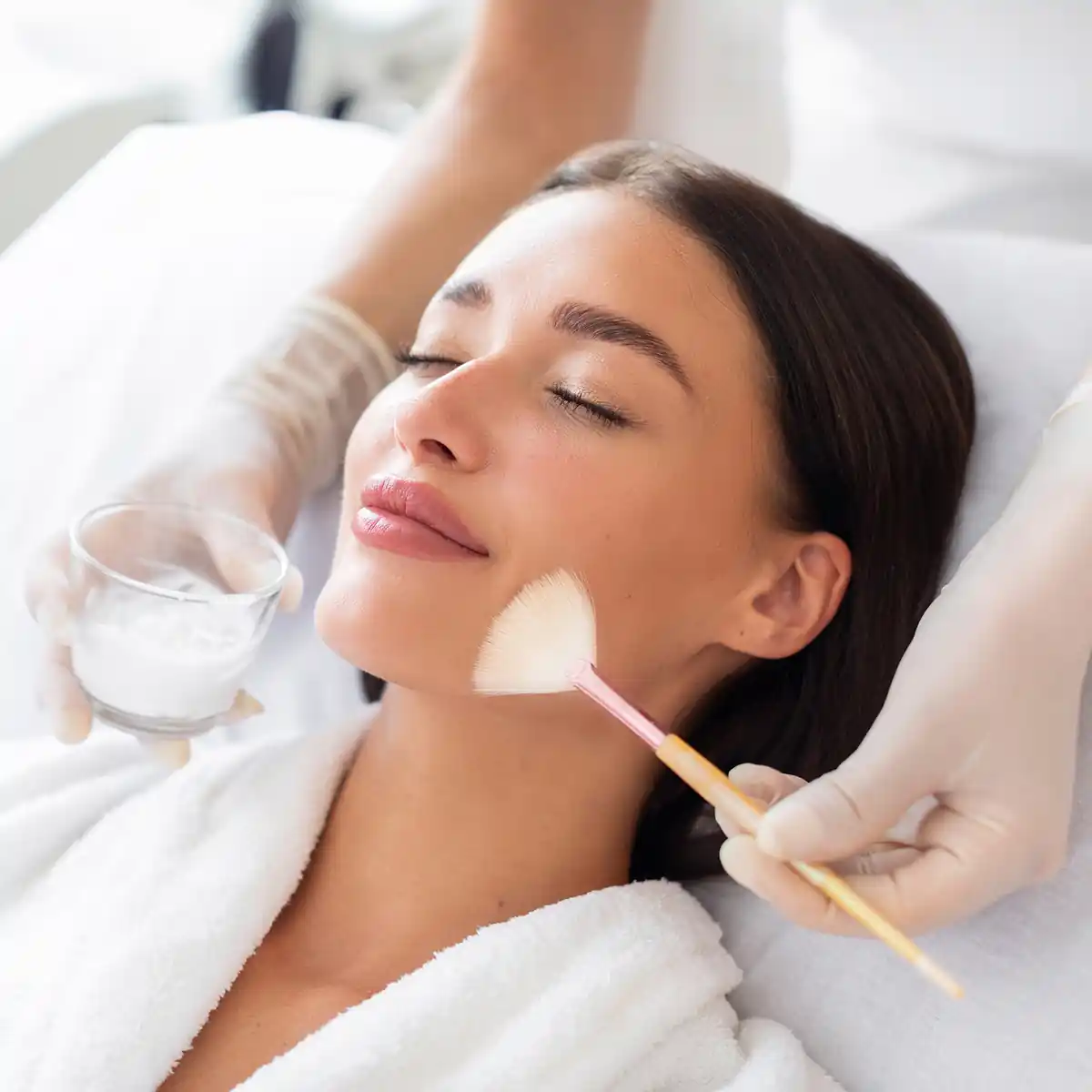
Chemical Peel
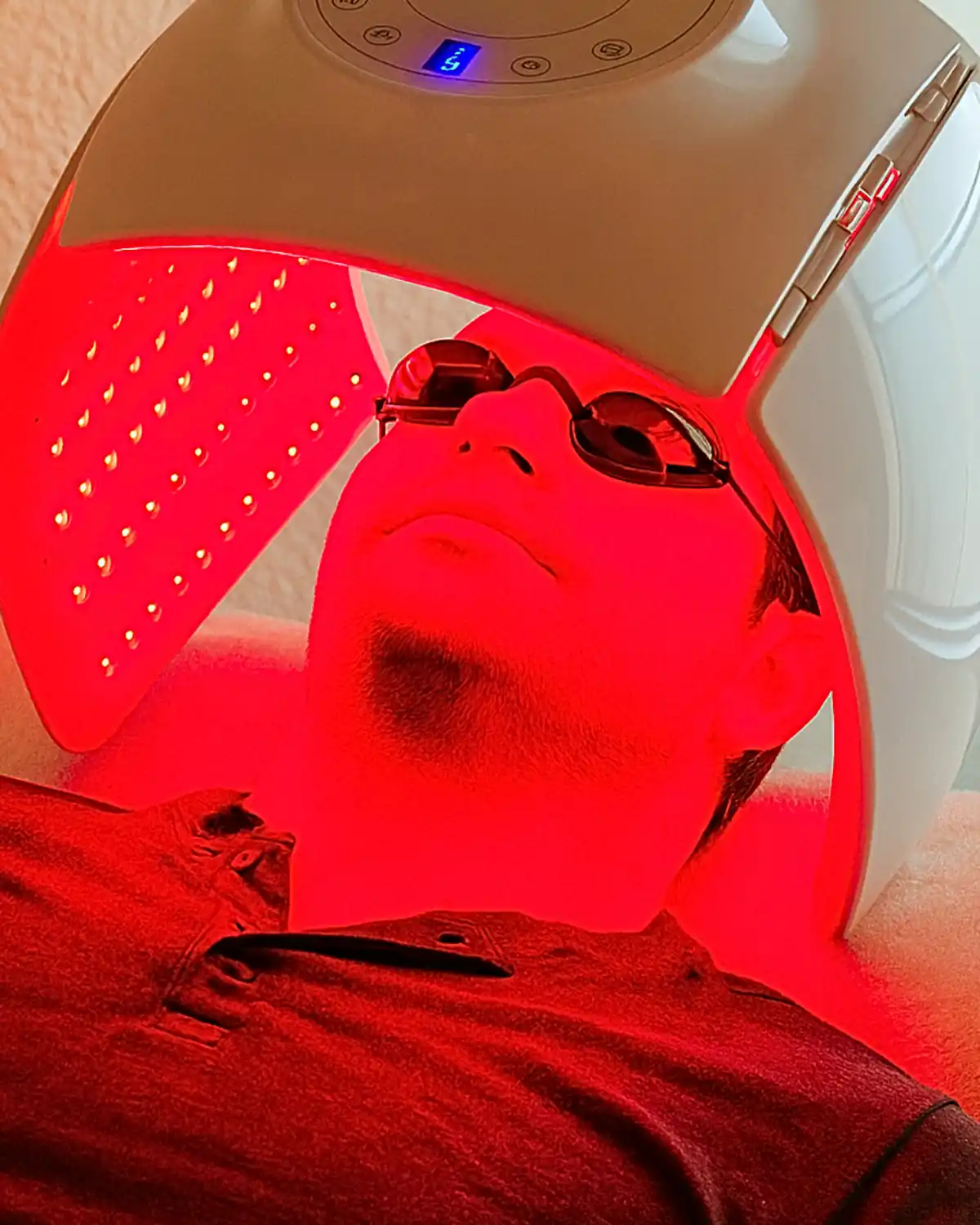
Nanofacial
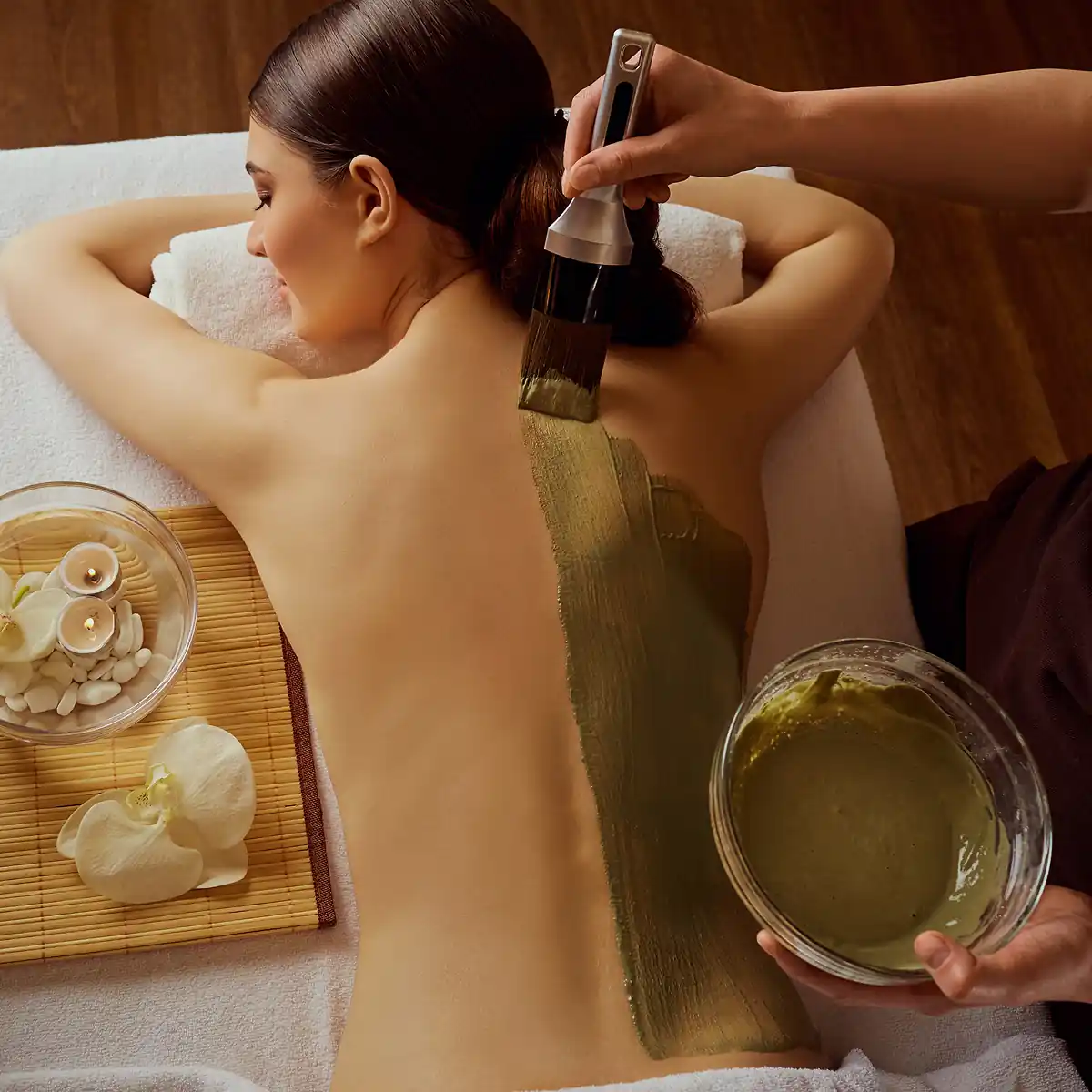
Holistic Back Facial
