Back Acne: Understanding Blemishes on Your Body
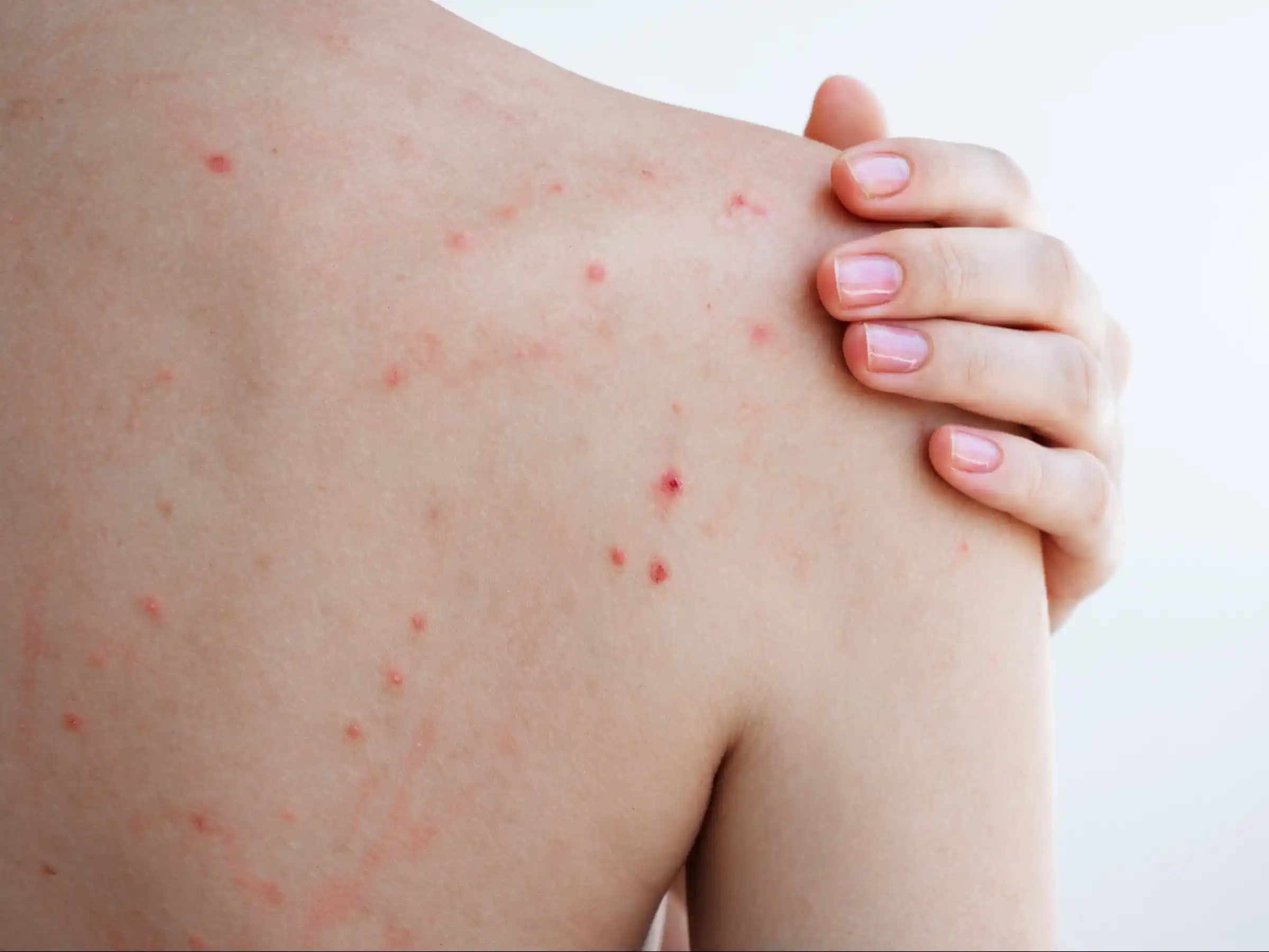
What Is Back Acne?
Back acne, sometimes called "bacne," is the same skin condition that affects the face, but it appears on the back, shoulders, and upper arms. It is an inflammatory condition that occurs when the pores (hair follicles) in these areas become clogged with excess oil, dead skin cells, and bacteria. Just like facial acne, back acne is a very common medical condition and is not caused by being "dirty."
The skin on your back has a high concentration of pores and oil-producing glands. In healthy skin, this oil (sebum) moisturizes the skin. When too much oil is produced, it can combine with dead skin cells and plug the pore opening. This blockage creates an ideal environment for bacteria (Cutibacterium acnes) to grow, which triggers an inflammatory response from your body. This inflammation leads to the formation of pimples, which can be small red bumps or larger, more painful lesions.
What Causes Back Acne?
The fundamental cause of back acne is a clogged pore, but several factors can contribute to or worsen breakouts on the body.
- Excess Oil Production: Overactive oil glands, often stimulated by hormonal fluctuations during puberty, menstrual cycles, or even times of stress, can lead to clogged pores.
- Buildup of Dead Skin Cells: The skin on your back is thicker than on your face, and if dead cells don't shed properly, they can easily block follicles.
- Friction and Pressure: A common trigger for back acne is friction from clothing, backpacks, or athletic gear. This is sometimes called acne mechanica. The constant rubbing can irritate the skin and trap sweat and oil, leading to breakouts.
- Sweat: While sweat itself doesn't cause acne, letting it sit on the skin for extended periods after exercise can mix with oils and dead skin cells, contributing to clogged pores.
- Genetics: If your close family members had acne, you have a higher chance of experiencing it too. Your genes can determine how much oil your skin produces and how it responds to inflammation.
- Certain Medications: Some prescription drugs are known to cause or aggravate acne as a side effect.
- Hair and Body Products: Heavy, oily lotions, creams, or even some hair conditioners that run down your back in the shower can be "comedogenic," meaning they can clog pores and lead to blemishes.
What Are the Types of Back Acne?
Back acne can appear as different types of blemishes, and you might experience a combination of them.
- Whiteheads: These are clogged pores that are closed at the skin's surface, forming small white or flesh-colored bumps.
- Blackheads: These are clogged pores that stay open. The dark color comes from the trapped oil and skin cells oxidizing when they are exposed to the air.
- Papules: These are small, firm, pink or red bumps that arise from inflammation. They can be tender to the touch.
- Pustules: Commonly known as pimples, these are red, inflamed bumps that have a white or yellow center filled with pus.
- Nodules: These are large, solid, and often painful lumps that form deep under the skin's surface.
- Cysts: These are deep, pus-filled, and painful lesions. Cystic acne on the back is a severe form and is more likely to cause scarring.
What Are the Symptoms of Back Acne?
The primary symptom of back acne is the presence of the blemishes listed above on your back, shoulders, or upper arms. Other common signs include:
- Skin in the affected area feeling oily.
- Tenderness or pain, especially with deeper nodules and cysts.
- Dark spots (post-inflammatory hyperpigmentation) that linger after a pimple has healed. These spots can be more noticeable on darker skin tones.
- Permanent scars, which can look like pits or raised tissue, resulting from severe or persistent breakouts.
Because it is often covered by clothing, back acne can be a source of discomfort and may affect your confidence, especially in situations where your back is visible.
When Should I See an Esthetician?
While many people try to manage back acne at home, seeking professional guidance from a licensed esthetician can be very helpful. Consider making an appointment with an esthetician if:
- Your back acne is persistent and doesn't improve with basic home care.
- The breakouts are causing dark spots or you are concerned about scarring.
- Your acne is causing you significant emotional distress or making you feel self-conscious.
- You have deep, painful, or widespread blemishes and want professional advice on how to care for your skin.
An esthetician is a trained skincare professional who can analyze your skin, help identify potential triggers, and recommend appropriate skincare routines and habits to help you manage the condition effectively.
Related Services

Skincare Consultation