Age Spots: A Guide to Understanding Your Skin
What Are Age Spots?
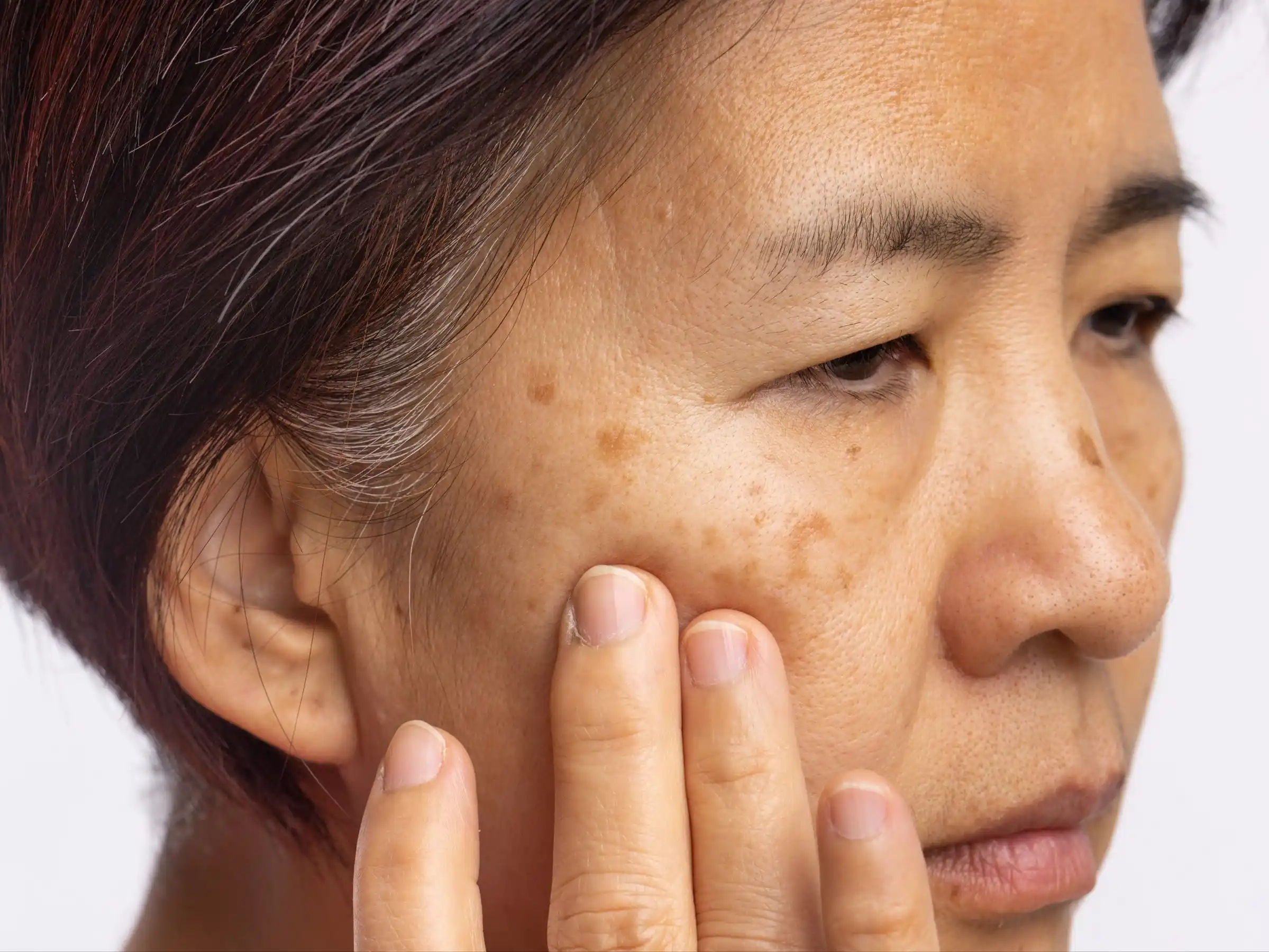
Age spots, also known as sun spots or solar lentigines, are small, flat, darkened patches of skin that typically appear on areas frequently exposed to the sun. They are a very common and harmless sign of skin aging and cumulative sun exposure. Despite sometimes being called "liver spots," they have no connection to your liver or its function. These spots develop when melanin—the pigment that gives skin its color—becomes concentrated in one area. Years of exposure to the sun's ultraviolet (UV) rays can cause melanocytes (the skin's pigment-producing cells) to create excess melanin in localized spots. Unlike freckles, which often fade in the winter, age spots are persistent and do not go away on their own.
What Causes Age Spots?
The development of age spots is a process influenced by several factors, with sun exposure being the primary driver.
- Sun Exposure: The main cause of age spots is long-term exposure to UV radiation from the sun or tanning beds. Over time, UV rays accelerate the production of melanin. On skin that has seen years of sun, this can lead to an overproduction of pigment in certain areas, forming a spot.
- The Aging Process: As we age, our skin's natural ability to regenerate and repair itself slows down. Pigment can accumulate more easily, and the distribution of pigment-producing cells can become less uniform, making it easier for spots to form and become permanent.
- Genetics and Skin Type: Your genes play a role in your predisposition to age spots. Individuals with fair skin (who burn easily) have less natural melanin protection and are generally more susceptible to developing them. If age spots run in your family, you may have a higher likelihood of getting them.
- Hormonal Changes: Fluctuations in hormones, such as those occurring around menopause, can influence skin pigmentation and may contribute to the appearance of age spots in some individuals.
What Are the Symptoms and Characteristics?
Age spots are identified by their specific appearance and location on the body.
- Appearance: They are typically flat, oval-shaped patches on the skin. Their color can range from light tan to dark brown or black. The texture of an age spot feels the same as the surrounding skin.
- Location: They most commonly appear on sun-exposed areas of the body, such as the face, the backs of the hands, shoulders, upper back, and arms.
- Size: The size can vary from that of a small freckle to about half an inch in diameter. It is common for multiple spots to appear in the same area, sometimes clustering together to form larger patches.
It is important to note that age spots are benign (non-cancerous). However, any spot that changes rapidly, has irregular borders, varies in color, or becomes raised should be evaluated by a professional.
Who Is at Risk for Age Spots?
While anyone can develop age spots, certain factors increase your risk.
- Age: They are most common in adults over the age of 50, as sun damage is cumulative over a lifetime.
- Fair Skin: People with lighter skin tones are more vulnerable to the effects of UV radiation.
- History of Sun Exposure: A history of frequent or intense sun exposure, including sunburns or tanning bed use, significantly increases your risk.
- Genetic Predisposition: A family history of age spots can make you more likely to develop them.
When Should I See an Esthetician?
While age spots are harmless, many people are concerned about their appearance. If your age spots bother you, consulting a licensed esthetician can be a great first step. Consider making an appointment if:
- You are concerned about the appearance of dark spots on your skin.
- You want to learn about preventative skincare measures to reduce the formation of new spots.
- You are seeking guidance on creating a skincare routine to promote a more even skin tone.
- You want a professional to assess your skin and help you understand the signs of sun damage.
An esthetician can provide a professional skin analysis, recommend appropriate skincare products and habits, and help you feel more confident in managing your skin's health and appearance.
Related Services

Skincare Consultation